glow academy
Is self-tanner bad for your skin?
6 July 2026 · MARC INBANE · 2 min read
" The active ingredient DHA only reacts with the dead cells in the upper layer of the skin "

Self-tanner has a reputation as a safe alternative to the sun, but is that really true? The short answer is yes, as long as you use it correctly. Below, you’ll discover exactly how the active ingredient DHA works, why it is not harmful to your skin and which points you should still pay attention to. You can find more about how self-tanner works and the different types available in our complete self-tanning guide.
Is self-tanner bad for your skin?
No, when used correctly, self-tanner is not bad for your skin. The active ingredient DHA only reacts with the dead cells in the upper layer of the skin, does not penetrate the living skin or bloodstream, and does not use UV radiation.
Because the colour develops entirely on the surface of the skin, there is no cell damage or deeper pigment change involved. DHA is a recognised ingredient for cosmetic use and has been used in self-tanners for decades. The colour fades naturally as the upper skin cells renew themselves.
How safe is DHA for your skin?
DHA, or dihydroxyacetone, is a sugar that creates a colour reaction with the amino acids in the dead outer layer of the skin. This layer contains no living cells, which makes the process safe, painless and without effect on the deeper skin.
Unlike tanning in the sun, where UV radiation damages the skin to produce pigment, self-tanner does not work below the surface. There is no DNA damage or accelerated skin ageing involved. This makes self-tanner a skin-friendly way to achieve colour.
What should you pay attention to?
When using sprays, avoid inhaling the mist and apply them in a well-ventilated area with your eyes and mouth closed. If you have sensitive skin, do a small patch test first, and remember that self-tanner does not provide sun protection.
These are precautions, not dangers. The skin itself rarely reacts to a high-quality formula, but a patch test offers extra reassurance for sensitive skin. For use during pregnancy, see our guide on self-tanner and pregnancy. Since self-tanner does not contain SPF, you can read more about combining it with sun exposure in our guide on self-tanner, the sun and SPF.
Self-tanner vs sunbeds and tanning pills
Self-tanner is the safest way to achieve a tan. Sunbeds use harmful UV radiation, while tanning pills are not recommended because they may come with health risks. Only self-tanner works without putting strain on the skin or body.
Where UV radiation from the sun and sunbeds damages the skin and increases the risk of skin ageing and skin cancer, and where ingestible tanning products are not recommended, a topical self-tanner stays entirely on the surface. This makes it the only tanning alternative that gives a healthy-looking, bronzed complexion without those risks.
Is sunless tanning healthy?
Sunless tanning is the healthiest way to achieve a bronzed complexion, because your skin is not exposed to harmful UV radiation. You get the look of a summer glow without the damage caused by sunbathing or sunbeds.
It is still important to take good care of your skin and always use sun protection when you are in the actual sun. But purely for colour, self-tanner is a skin-friendly and safe choice.
€ 44,95

Natural Tanning Mousse
An evenly tanned complexion for up to 9 days!
€ 44,95

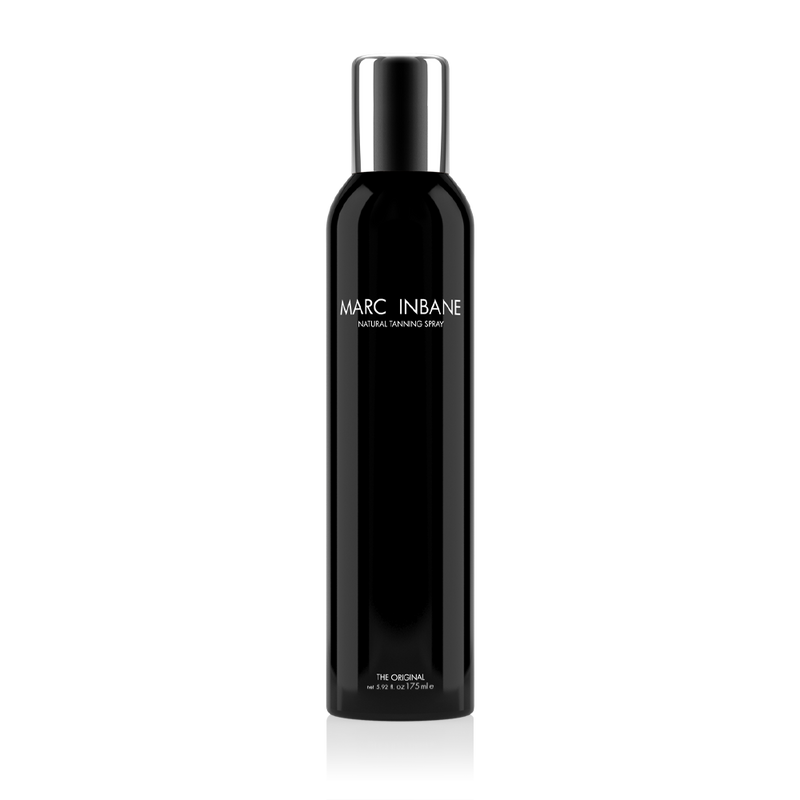
Natural Tanning Spray
Our bestseller! Enriched with pure and nourishing ingredients
€ 39,95

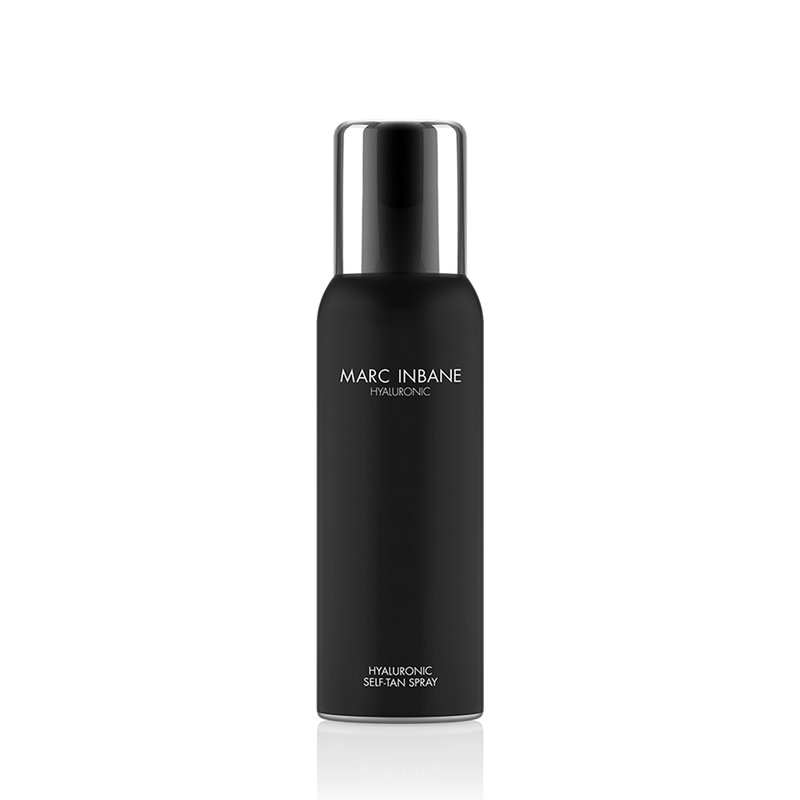
Hyaluronic Self-Tan Spray
An evenly tanned complexion for up to 5 days!
In this article